



Digital Marketing as a Strategic Imperative in the Caribbean
Your missing out on these benefits!
The most effective digital marketers understand how each campaign contributes directly to organisational goals. Digital marketing is not an isolated activity; it is a critical component of any robust marketing strategy.
According to Statista (2025), the Caribbean has approximately 31.4 million internet users, with an estimated 22.7 million active on social media. While usage levels vary significantly across the region, the scale of digital participation highlights an opportunity that organisations cannot afford to overlook. The Caribbean’s geographic reality, a collection of sovereign island nations with differing levels of connectivity, income, and population density, can complicate planning. Markets such as Guyana and Trinidad and Tobago benefit from larger populations and, in turn, greater potential advertising spend. Conversely, countries such as Barbados and The Bahamas demonstrate higher internet penetration rates, indicating that market size alone should not dictate digital strategy decisions (Statista, 2025).
With the right strategic approach, the challenges of digital marketing in the Caribbean can be navigated effectively, unlocking measurable and sustainable benefits.

1. Increased Brand Awareness
A strong digital presence allows organisations to reach broader and more relevant audiences through search engine optimisation (SEO), content marketing, and email marketing. Consumers are actively searching online for solutions, and organisations must be visible at the moments that matter.
SEO plays a critical role by aligning an organisation’s online presence with the customer journey. It is not simply about ranking, but about ensuring that when potential customers search, the brand appears as a credible and relevant solution. In digital marketing, content is the primary driver of visibility. Content that resonates is valuable, relevant, and aligned with audience needs. Whether educational, inspirational, or entertaining, effective content clearly communicates how the organisation addresses real pain points.
2. Targeted Audience Reach
A well-defined target market enables more precise and effective engagement. Understanding customer habits, preferences, demographics, and behaviours allows organisations to identify where their audiences spend time online and how they engage with content.
Digital platforms make it possible to reach specific communities and niches that transcend geographic boundaries. By delivering personalised and relevant content, organisations remain top of mind during the decision-making process. Over time, this targeted approach supports the development of structured systems that guide individuals from initial awareness to long-term loyalty.
3. Cost Effectiveness
Compared to traditional channels such as print, television, and radio, digital marketing is generally more accessible and cost efficient, particularly for small and medium-sized businesses. Traditional media often requires significant upfront investment with limited targeting and measurement capabilities.
Digital platforms, supported by widespread smartphone and internet usage, allow organisations to distribute information more efficiently and at a fraction of the cost. This accessibility enables businesses to compete for attention without the financial barriers historically associated with mass media.
4. Improved Conversion Potential
Measuring conversion has traditionally been a challenge, but digital marketing significantly improves visibility across the customer journey. Campaigns designed for specific audiences increase the likelihood of attracting qualified prospects, while tailored messaging improves the probability of conversion.
When combined with tracking tools, organisations can better understand which channels, messages, and touchpoints are most effective. This insight allows for continual refinement, ensuring resources are allocated towards activities that generate the strongest returns.
5. Measurable Results and Analytics
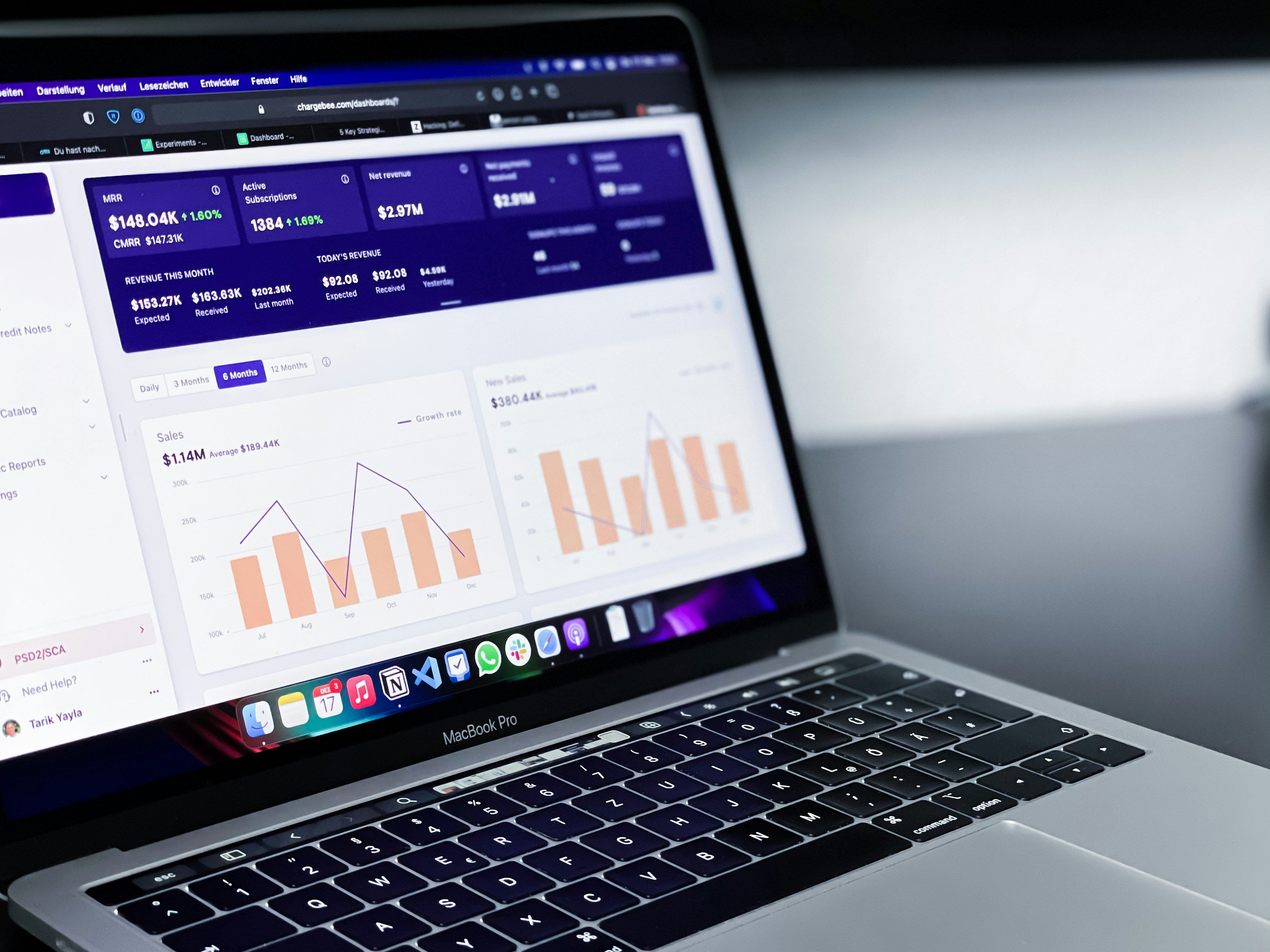
Digital marketing offers a diverse range of performance metrics, from engagement and reach to more advanced indicators such as Return on Ad Spend (ROAS), Cost Per Click, and conversion rates. While the volume of available data can be overwhelming, a clearly defined digital strategy ensures that only the most relevant metrics are prioritised.
By aligning analytics with specific objectives, organisations can make informed decisions in real time, identify underperforming areas, and continuously optimise their approach.
6. Enhanced Customer Engagement
Digital platforms allow organisations to engage directly with their audiences in ways that were previously impossible. Interactions can be immediate, personalised, and meaningful, supporting stronger relationships over time.
Consistent engagement provides valuable insight into customer needs, preferences, and challenges. These insights can inform content development, product refinement, and service delivery, creating value for both the customer and the organisation.
7. Expanded Reach and Brand Recognition
Digital marketing removes traditional geographic constraints, enabling organisations to reach new markets and audiences. Consistent visibility reinforces brand awareness, while targeted campaigns allow for precise regional or demographic focus when needed.
Over time, consistent messaging, high-quality content, and active engagement contribute to stronger brand recognition. As familiarity increases, so does credibility and trust, both of which are critical drivers of customer loyalty.
Strategic Implications
Despite these benefits, many organisations underinvest in digital marketing due to limited specialist knowledge or uncertainty around measurement and returns. Those that adopt a structured, well-resourced approach often achieve a significant competitive advantage.
Without a clearly defined digital marketing strategy, organisations risk limited brand discovery, inefficient resource allocation, and missed opportunities for growth. Quality content, supported by strategic planning and optimisation, remains essential for visibility, discoverability, and meaningful engagement in the digital age.
Source Transparency
The internet and social media usage figures are drawn from Statista’s 2025 regional analysis. Statista aggregates data from national regulators, international organisations, and market research firms. While the platform is widely used and credible, country-level variations and reporting timelines should be considered when applying these figures to specific markets.
Reference
Statista (2025). Social media usage in the Caribbean – statistics & facts. Retrieved January 13, 2026 from:
https://www.statista.com/topics/5935/social-media-usage-in-the-caribbean/#topicOverview
Image Source: Photo by path digital on Unsplash
Leave a Reply